
Maharashtra Rabi Sowing Guide 2026-27: Harbhara (Gram), Wheat & Rabi Jowar Best Practices
Essential guidance for Maharashtra farmers during the October-November 2026 Rabi sowing window. Covers certified seed varieties for Harbhara, Wheat, and Jowar, Trichoderma seed treatment, soil moisture conservation, and Rabi PMFBY enrollment.
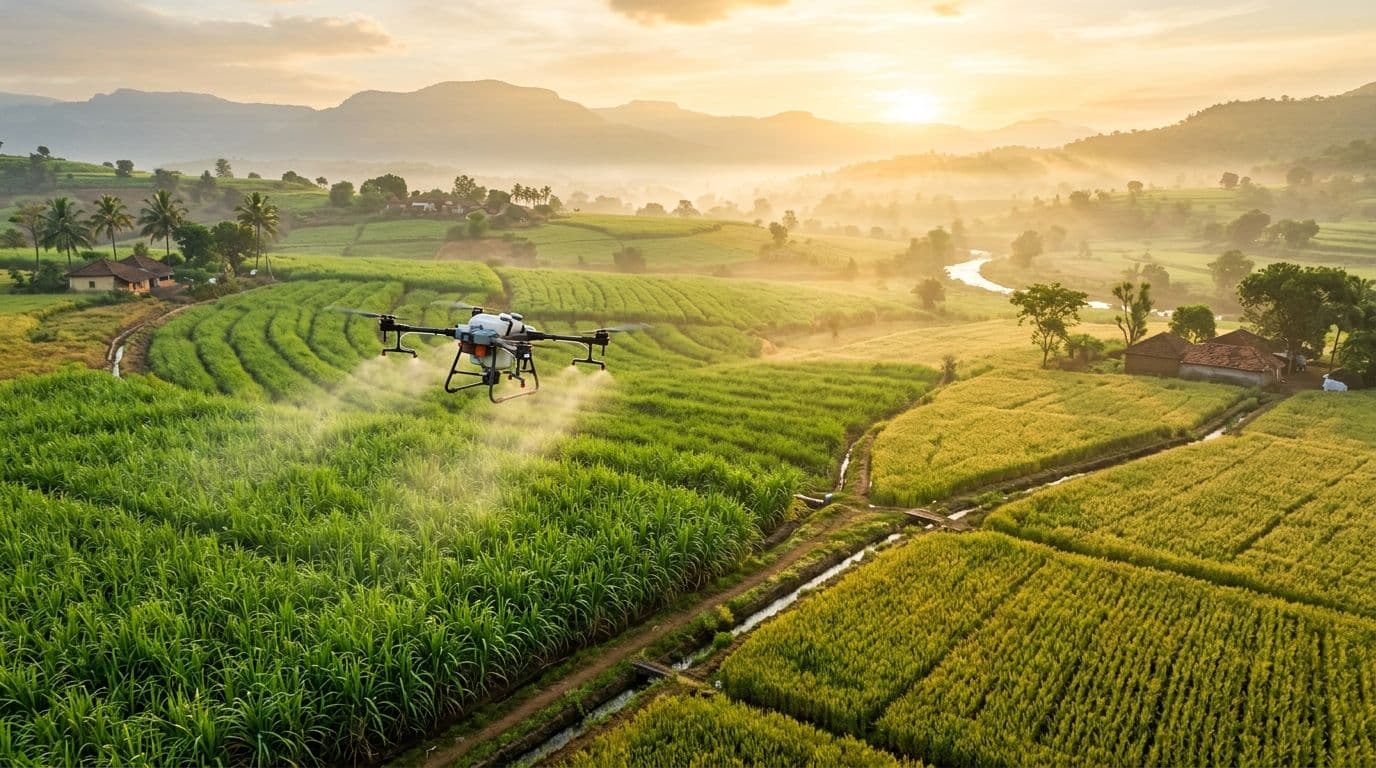
As Maharashtra transitions into the Rabi 2026-27 cropping season, timely preparation of seedbeds and disciplined selection of certified seeds are vital to maximizing yield. Following the late-monsoon showers across Marathwada, Vidarbha, and Western Maharashtra, subsoil moisture levels in medium-to-deep black soils provide an optimal foundation for key Rabi staples: Harbhara (Bengal Gram / Chickpea), Wheat (Gahu), and Rabi Jowar (Jwari).
1. Recommended Sowing Windows in Maharashtra
- Rabi Jowar: Best completed between September 15 and October 20. Sowing beyond late October risks higher shoot-fly incidence and moisture depletion.
- Harbhara (Gram): Optimal sowing window is October 15 to November 10. For irrigated crops, sowing can extend up to November 20.
- Wheat: Ideal sowing window is November 1 to November 15 for timely-sown irrigated fields, and up to December 10 for late-sown conditions.
2. High-Yielding Crop Varieties for Maharashtra
Select university-recommended certified varieties from authorized agricultural suppliers or Mahabeej centers:
- Harbhara: Phule Vikram (suitable for machine harvesting), Digvijay, Vijay (wilt resistant), and BDNG-797 (Kabuli).
- Wheat: Phule Samadhan (NIAW-1994), Tapovan (NIAW-917), and Trimbak (NIAW-301) for assured irrigation.
- Rabi Jowar: Maldandi (M 35-1), Phule Anuradha (dryland), Phule Suchitra, and Parbhani Moti.
3. Mandatory Seed Treatment Protocol
Seed treatment protects early root establishment against collar rot, root rot, and wilt. For Harbhara, treat 1 kg seed with Trichoderma viride (5g) or Carbendazim (2g), followed by Rhizobium culture (25g) and PSB (25g) in shade before sowing.
4. Rabi PMFBY Crop Insurance & e-Pik Pahani
Ensure crop entries are accurately recorded on the official e-Pik Pahani mobile app right after germination. For farmers enrolling in PMFBY Crop Insurance for Rabi crops, the standard central premium share is 1.5% of sum insured. The statutory enrollment deadline for Rabi crops is December 31. Verify current district notifications on pmfby.gov.in or at your nearest CSC / DCCB bank branch.